
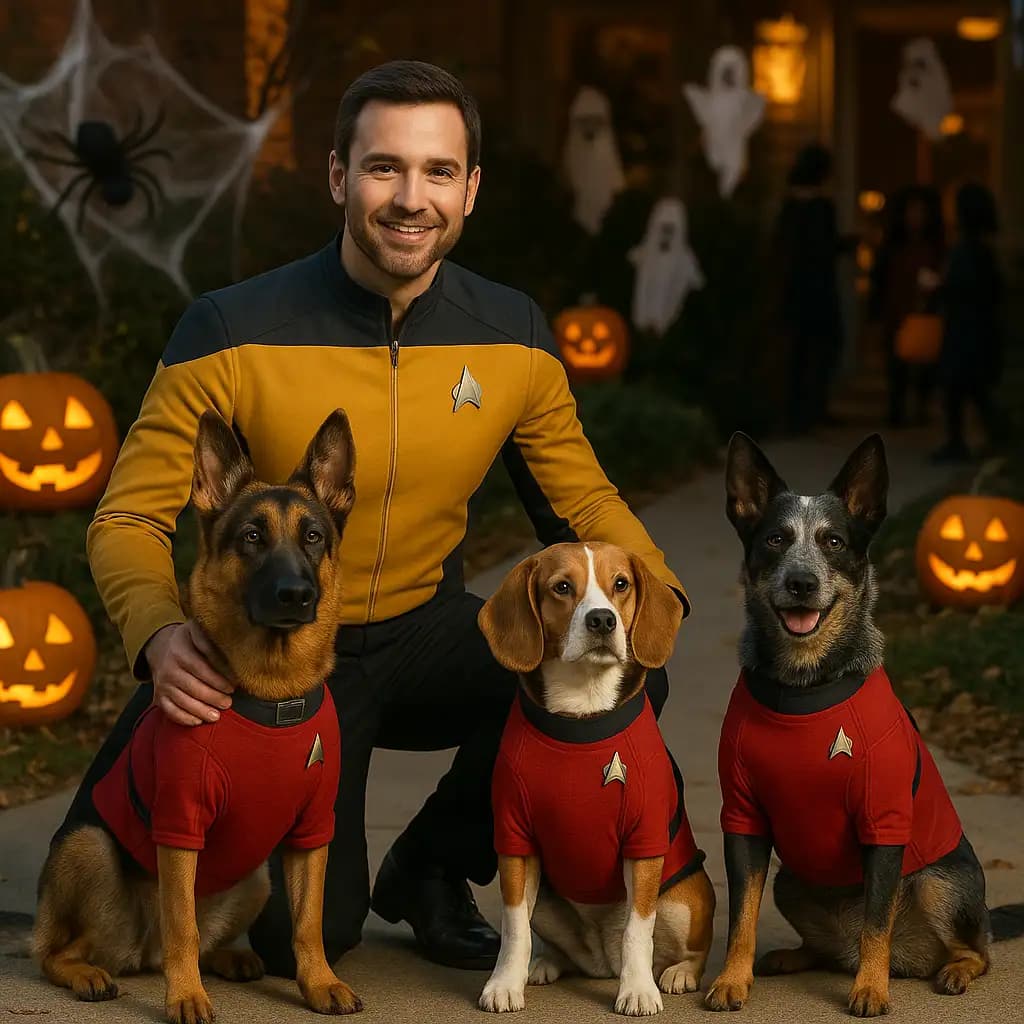
Paws of the Revolution: The Dogs of America’s 13 Colonies
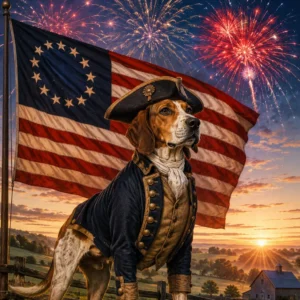
Two hundred and fifty years ago, America was still a patchwork of 13 colonies, each one full of farms, ports, plantations, woodlots, taverns, muddy roads, kitchen gardens, barns, and busy yards. And right there in the middle of that daily life, usually with muddy paws and a nose for trouble, were dogs.
These were not always “breeds” the way we talk about breeds today. Most colonial dogs were known by their work, their build, their habits, or where they came from. A family might have called one dog a hound, another a cur, another a mastiff, another a spaniel, and another simply “that good dog by the barn.” Modern kennel clubs came much later. In the 1700s, a dog earned its place by what it could do.
That makes colonial dogs a fascinating piece of American history. They hunted beside planters, guarded homes, helped farmers, chased rats from barns, traveled with soldiers, warmed hearths, and kept children company. In a young country built on grit, chores, weather, animals, and long days outdoors, dogs were more than pets. They were partners.
As a patriotic historian of colonial dog types, I like to say this, before America had a flag of its own, it already had wagging tails. Some were elegant foxhounds running across Virginia fields. Some were scrappy terriers keeping rats out of New England ports. Some were farm curs watching the edge of a Pennsylvania clearing. Some were water dogs along the Atlantic coast. All of them helped tell the story of ordinary colonial life.
Historical records from George Washington’s Mount Vernon show that Washington kept many types of dogs, including hounds, greyhounds, Newfoundlands, spaniels, terriers, mastiffs, and toy dogs. Colonial Williamsburg also notes that fox hunting with packs of hounds became part of Virginia life by the middle of the eighteenth century. Those records remind us that dogs were not background decoration. They were part of work, sport, status, safety, and home life.
New Hampshire
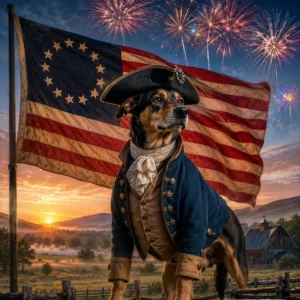 In New Hampshire, the most common colonial dog types were likely farm curs, scent hounds, shepherd dogs, terriers, and water dogs along the coast. This was a place of small farms, cold winters, wooded hills, and practical families who did not have much use for fancy nonsense.
The hounds helped hunters follow deer, hare, and other game through rough country. Their closest modern names would be early foxhound types, coonhound types, and general scent hounds. These dogs were valued for their nose, stamina, and willingness to work through brush.
Terriers were the barnyard heroes. Small, bold, and full of opinion, they handled rats and other pests around grain, feed, and storage areas. Shepherd type dogs helped with livestock, especially sheep and cattle. Along the seacoast, water dog types may have helped fishermen and sailors with retrieving, guarding, and shipboard companionship.
Their relationship with owners was mostly practical and affectionate. A good dog was useful, but in a hard climate, usefulness and affection often lived in the same warm corner by the fire.
Massachusetts
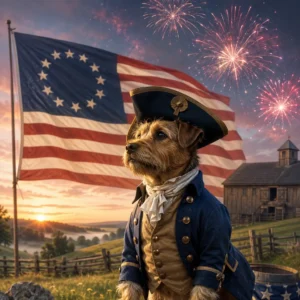 Massachusetts had a wide mix of dogs because it had busy ports, farms, towns, fishing communities, and educated urban households. Common types included terriers, water dogs, shepherd dogs, hounds, spaniels, and small companion dogs among wealthier families.
In Boston and other ports, terriers were valuable little workers. Rats were not a small problem in colonial towns. They threatened food, goods, ships, and storage rooms. A sharp terrier could earn its supper every day.
Water dogs and Newfoundland type dogs were especially useful near fishing and shipping areas. Their closest modern names would include Newfoundland, St. John’s water dog, and early water spaniel types. These dogs were strong swimmers and dependable companions around boats.
On farms outside town, shepherd dogs and curs worked livestock and guarded property. Hounds helped with hunting. Some households kept dogs mainly for companionship, but even pet dogs had a job, alerting the home when strangers arrived.
In Massachusetts, dogs were part working hand, part family alarm bell, part fireside friend.
Rhode Island
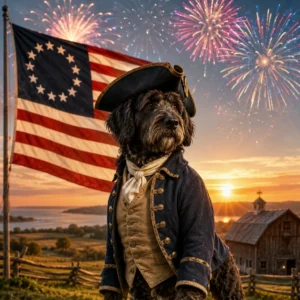 Rhode Island was small, coastal, and connected to trade, ships, farms, and towns. The most common dog types were likely terriers, water dogs, hounds, small companion dogs, and general farm dogs.
Terriers were important in ports and warehouses. They chased vermin, protected stores, and probably acted like they owned every dock they walked on. That part of terrier history has not changed much.
Water dogs were common in coastal life. They may have helped retrieve items, travel on boats, guard goods, and keep fishermen company. Their closest modern names would include Newfoundland type dogs and water spaniels.
Hounds and farm dogs were useful inland for hunting and small farm work. Some wealthier homes may have kept small spaniels, toy dogs, or lap dogs as pets and status companions.
Rhode Island dogs had close relationships with their people because colonial space was tight. Dogs lived near the work, near the water, near the house, and near the daily rhythm of family life.
Connecticut
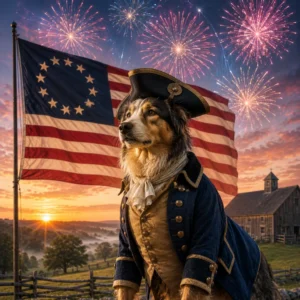 Connecticut was farm country, town country, and road country. Its common dog types likely included shepherd dogs, farm curs, terriers, scent hounds, spaniels, and mastiff type guard dogs.
Shepherd dogs were important because Connecticut families kept livestock. These dogs helped move sheep, cattle, pigs, and sometimes geese. Their closest modern names would be collie type dogs, old English sheepdog type dogs, and general drover dogs.
Terriers worked barns and kitchens. Hounds hunted game in wooded areas. Spaniels and pointers may have helped with bird hunting, especially among families with the time and means for sporting dogs.
Mastiff type dogs were used for guarding homes, livestock, mills, and stores. They were not usually pets in the modern couch sharing sense, but many would have been trusted household protectors.
In Connecticut, the owner dog relationship was steady and work centered. These were dogs that knew the lane, the barn, the children, and every suspicious sound after dark.
New York
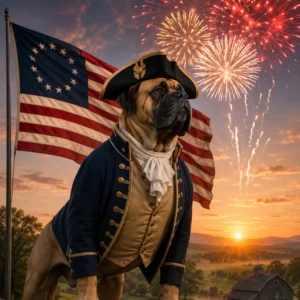 New York had one of the most diverse dog populations in the colonies. It had a major port, Dutch and English influences, farms, estates, frontier lands, and busy trade routes. Common dog types included hounds, terriers, shepherd dogs, mastiffs, water dogs, spaniels, pointers, and small companion dogs.
In New York City, terriers and guard dogs were useful around shops, docks, warehouses, and homes. Water dogs fit naturally into harbor life. In rural areas and up the Hudson Valley, hounds and farm dogs helped with hunting, livestock, and security.
Wealthier families may have kept spaniels, pointers, greyhounds, and small lap dogs. These dogs were companions, status symbols, and sporting partners. A fine hound or pointer told people something about the owner’s taste and leisure time.
New York dogs had relationships that matched the colony itself. Some were working street dogs. Some were estate dogs. Some were hunting dogs. Some were household pets. All had a place in a busy and growing colonial world.
New Jersey
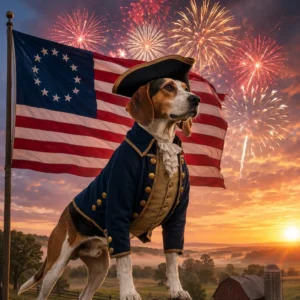 New Jersey sat between major colonial centers and had farms, roads, orchards, wetlands, and villages. Its most common dog types likely included hounds, farm curs, terriers, shepherd dogs, spaniels, and mastiff type guards.
Hounds were used for fox, deer, rabbit, and general game hunting. Their closest modern names would include English foxhound, early American foxhound, and black and tan hound type dogs.
Farm curs were the everyday multitaskers. They guarded the yard, helped with livestock, followed wagons, warned of strangers, and hunted when needed. They were the colonial version of “whatever needs doing, I am on it.”
Terriers kept barns and grain areas clear of pests. Shepherd dogs helped with livestock. Spaniels may have been used by hunters seeking birds in fields and wetlands.
The relationship between New Jersey owners and dogs was practical, but close. A dog that could guard a farm, follow a child, and keep rats out of the corncrib was not just useful. That dog was family property in the best sense of the word, valued, known, and relied upon.
Pennsylvania
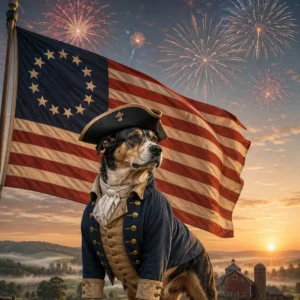 Pennsylvania was a rich mix of farms, frontier settlements, German communities, Quaker towns, forests, rivers, and roads. Common dog types included curs, hounds, shepherd dogs, terriers, mastiffs, and German farm dog types.
The cur was especially important. Closest modern names would include mountain cur, treeing cur, and general American farm dog. These dogs helped families hunt, guard, and survive in places where the woods were close and the work never ended.
German settlers brought strong farm traditions, and with them likely came sturdy dogs used for herding, guarding, and cart or yard work. Shepherd dogs helped with livestock, while mastiff type dogs guarded property.
Terriers were common anywhere grain and barns existed. Hounds helped hunters put meat on the table. These were not pampered dogs, but they were respected.
In Pennsylvania, dogs often had a frontier relationship with their owners. They were partners in settlement, protection, food gathering, and daily chores. A good dog was a quiet form of security.
Delaware
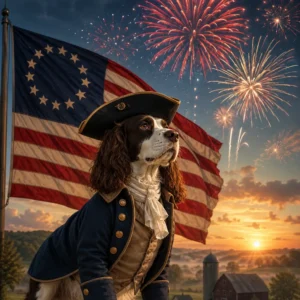 Delaware’s colonial dogs reflected farms, marshes, small towns, and coastal work. Common dog types included hounds, terriers, farm curs, water dogs, spaniels, and mastiff type guards.
Water dogs and spaniels were useful around marshland and waterfowl hunting. Their closest modern names would include water spaniel, retriever type dog, and Newfoundland type dog. These dogs helped retrieve birds and worked well in wet places where a fancy shoe would not last long.
Hounds hunted small game and larger game. Terriers protected barns and stores from rats. Farm curs guarded property and helped with livestock.
Mastiff type dogs may have been kept for security at homes, farms, and storage buildings. In a small colony with busy movement between larger neighbors, a dog that barked before trouble arrived was worth keeping.
Delaware owners likely saw dogs as dependable helpers. These dogs were close to the household, close to the work, and close to the land.
Maryland
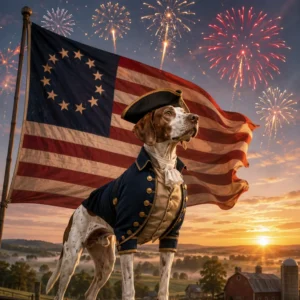 Maryland had a strong sporting and plantation culture, especially among wealthier families. Common dog types included foxhounds, deerhounds, pointers, spaniels, mastiffs, curs, terriers, and greyhounds.
Foxhounds were among the most socially visible dogs. Their closest modern names would be English foxhound and early American foxhound. They hunted foxes and gave elite owners a way to show horsemanship, land, leisure, and breeding knowledge.
Pointers and spaniels helped with bird hunting. Greyhounds and other sighthounds were used for coursing and sport. Mastiffs guarded estates, outbuildings, and property. Curs and terriers handled the less glamorous work, which often mattered most.
The relationship between Maryland owners and dogs depended on class and setting. Elite owners might prize hounds for sport and status. Farmers valued dogs for protection and work. Families valued steady dogs that watched the yard and kept company.
Maryland dogs were both sporting companions and working partners, often in the same lifetime.
Virginia
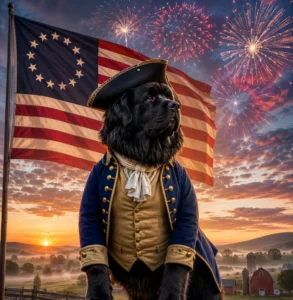 Virginia is the best documented colony for elite colonial dog culture, thanks in large part to George Washington, Mount Vernon, and Williamsburg records. Common types included foxhounds, French hounds, English hounds, black and tan hounds, pointers, spaniels, terriers, mastiffs, greyhounds, Newfoundlands, and toy dogs.
Washington’s love of dogs is well recorded. Mount Vernon notes that he kept many types, including hounds, greyhounds, Newfoundlands, spaniels, terriers, mastiffs, and toy dogs. Colonial Williamsburg describes fox hunting with packs of dogs as a part of Virginia life by the middle of the eighteenth century. ([George Washington’s Mount Vernon][1])
Virginia hounds were hunting dogs, status dogs, and breeding projects. Spaniels and pointers worked birds. Terriers kept pests down. Mastiffs guarded. Newfoundlands and water dogs may have served as companions, working dogs, and impressive estate animals.
The relationship between Virginians and dogs could be deeply personal. Washington named many dogs, bred hounds, and cared about their traits. In Virginia, dogs were not just tools. They were part of identity, sport, land, and household life.
North Carolina
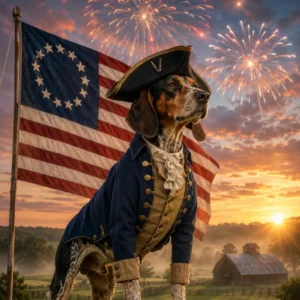 North Carolina’s most common dog types were likely curs, hounds, terriers, shepherd dogs, and mastiff type guards. This was a colony with coastal settlements, inland farms, pine woods, and frontier areas.
Curs were highly useful in rough country. They hunted game, guarded cabins, watched livestock, and traveled with settlers. Hounds followed scent through woods and fields. Their closest modern names would include foxhound, coonhound type, deerhound type, and general scent hound.
Terriers worked around barns and homes. Shepherd dogs helped manage livestock. Mastiff type dogs served as security dogs on farms, roads, and larger properties.
The owner dog relationship in North Carolina was shaped by necessity. Dogs helped families deal with distance, woods, predators, strangers, and chores. Many were not fancy, but they were smart, tough, and trusted.
A North Carolina colonial dog was likely a dog with dirt on its paws and a job in its eyes.
South Carolina
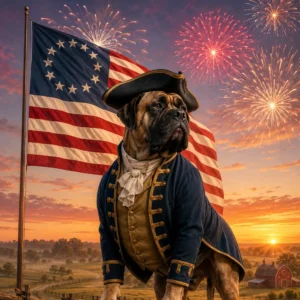 South Carolina had ports, plantations, rice fields, towns, and frontier lands. Common dog types included hounds, curs, mastiffs, terriers, spaniels, pointers, and guard dogs.
Hounds and curs were used for hunting deer, fox, raccoon, and other game. Spaniels and pointers helped with bird hunting among wealthier households. Terriers handled pests in barns, kitchens, ships, and storehouses.
Mastiff type and bulldog type dogs were used for guarding property and livestock. Some dogs in the colonial South were also used in slave patrol systems and runaway capture, a painful and important part of the historical record. That use was not companionship or service in the modern sense. It was part of a violent system of control.
So, South Carolina’s dog history has two sides. There were family dogs, hunting dogs, and farm dogs. There were also dogs used to protect wealth and enforce human bondage. A truthful historian does not skip that part.
Even so, in ordinary homes and farms, many dogs still had close daily bonds with the people who fed them, worked them, and depended on them.
Georgia
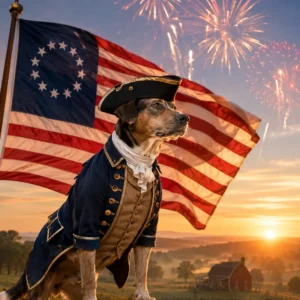 Georgia was the youngest of the 13 colonies, and its dog population reflected settlement, defense, farming, hunting, and frontier life. Common dog types included curs, hounds, mastiffs, terriers, shepherd dogs, and water dogs near the coast.
Curs were among the most practical dogs in Georgia. They could hunt, guard, tree game, and help settlers manage daily outdoor life. Hounds followed scent through woods and wetlands. Mastiff type dogs guarded homes, livestock, and property.
Terriers fought the never ending battle against rats and pests. Shepherd type dogs helped with livestock. Coastal families may have used water dogs around boats, marshes, and fishing areas.
Georgia dogs were not usually ornamental. They were survival minded companions in a colony still taking shape. Their relationship with owners was built on usefulness, protection, and trust.
A good Georgia dog watched the clearing, followed the family, warned at night, and helped turn a difficult place into a home.
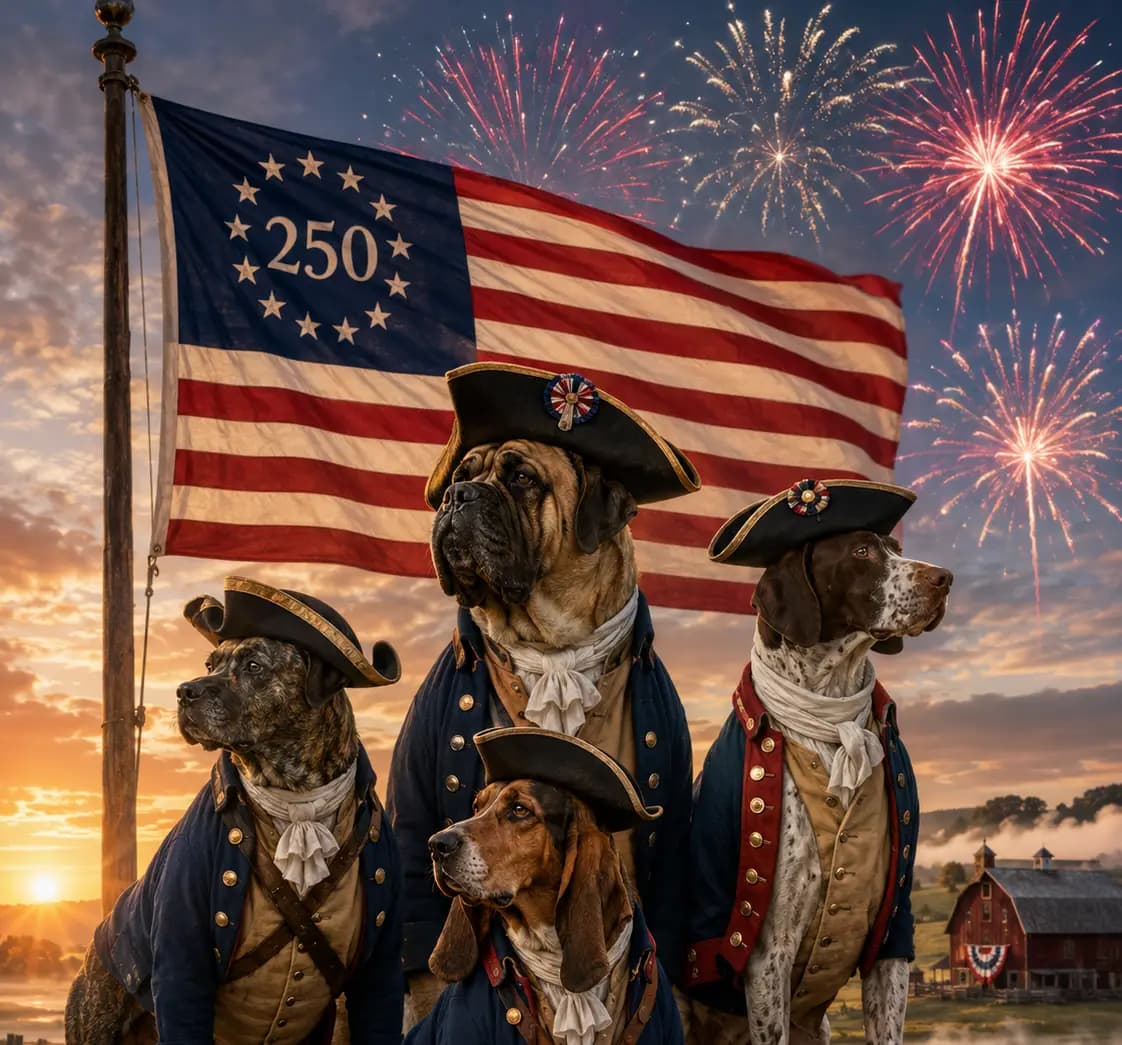
Happy 250th Anniversary America!
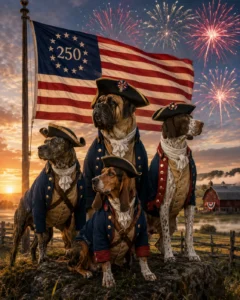 The dogs of the 13 colonies were not all polished, named, painted, or pedigreed. Many were mixed, muddy, loud, loyal, and busy. In other words, they were wonderfully American before America was officially America.
They hunted for food and sport. They guarded homes and barns. They worked with livestock. They protected ports from vermin. They retrieved from water. They comforted families. They followed soldiers and officers. They helped people feel a little safer in a world that was often uncertain.
Their closest modern names include English foxhound, American foxhound, black and tan hound, mountain cur, treeing cur, English mastiff, bulldog type, collie type, shepherd dog, fox terrier type, rat terrier type, English pointer, setter, spaniel, greyhound, Newfoundland, water spaniel, and small toy companion dogs.
But the real story is bigger than names. Colonial dogs were part of the relationship between people and place. A Virginia foxhound belonged to open fields and gentry sport. A Massachusetts terrier belonged to docks and barns. A Pennsylvania cur belonged to farms and frontier paths. A Georgia mastiff belonged near the edge of a clearing, listening for trouble.
That is what makes this history so enjoyable. Dogs help us see the colonies not as flat textbook places, but as living communities full of barking, hoofbeats, chores, muddy boots, warm kitchens, and families trying to make a life.
Two hundred and fifty years later, our dogs still shape the way we use our yards, our homes, and our daily routines. The tools have changed. The names have changed. The jobs have changed. But the bond is still easy to recognize.
A dog still wants room to run. A family still wants a clean yard. A good dog still makes a house feel more like home. And somewhere, from New Hampshire to Georgia, the spirit of those colonial canines is still alive every time a dog trots across the grass like it owns the whole country.